How to Plan a Business Video Before the Cameras Arrive
Follow us on
- I Want That Media Group on Facebook (opens in a new tab)
- I Want That Media Group on Instagram (opens in a new tab)
- I Want That Media Group on LinkedIn (opens in a new tab)
- I Want That Media Group on Bluesky (opens in a new tab)
- I Want That Media Group on YouTube (opens in a new tab)
- I Want That Media Group on TikTok (opens in a new tab)
- I Want That Media Group on Spotify (opens in a new tab)
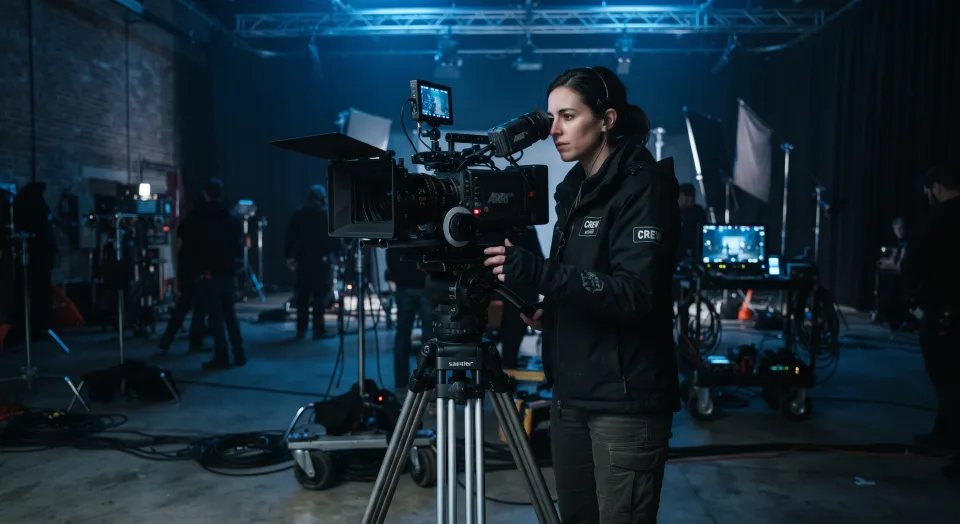
The quality and cost of a business video are largely decided before filming begins. A clear purpose, a defined audience, an approved script or shot list and a realistic schedule reduce time on set, limit editing revisions and produce a video that does its job.
Start with purpose and audience
Every effective business video answers two questions before anything is filmed: what should this video accomplish, and who is it for? A video meant to attract new customers to a Barrie restaurant will look and sound very different from one that trains new staff or introduces a contractor to a municipal procurement team. Writing down a single goal and a single primary audience gives every later decision a reference point, from the choice of location to the length of the final edit.
It is also worth deciding early where the video will live. A homepage video, a trade show loop and a vertical clip for Instagram have different lengths, formats and expectations, and each should be planned from the beginning.
Write the script or shot list
A script sets out what will be said, and a shot list sets out what will be seen. Interview-based videos may not need a full script, but they still benefit from prepared questions and a clear sense of the key messages. Approving these documents before the shoot is one of the most effective ways to control cost. Changes made on paper are free. Changes made on set cost crew time, and changes made in editing often require new footage.
Prepare the location and the people
Visit each location before the shoot day. Look for natural light, check for background noise such as ventilation, traffic or music, and confirm parking, power outlets and access times. Remove clutter, outdated signage and anything with a visible brand that should not appear on camera.
People need preparation too. Share the questions or script with anyone appearing on camera, suggest solid-coloured clothing without small patterns, and schedule the most important interviews early in the day while energy is high. Obtain signed release forms for everyone who appears, including customers and staff.
Plan for more than one video
The most expensive part of most productions is getting a crew and equipment to a location. Once they are there, capturing additional material costs relatively little. Plan short clips for social media, still frames for your website and behind-the-scenes footage alongside the main video. Finally, agree on the review process before editing begins, including who approves each draft and how many revision rounds are included. A clear plan keeps the project on schedule and gives you far more content from a single shoot.
Questions and answers
What is pre-production in video?
Pre-production is the planning stage before filming. It includes setting goals, writing the script or shot list, scouting locations, scheduling people and preparing equipment.
Do I need a script for a business video?
Most videos benefit from either a script or a shot list. Interview videos can work from prepared questions, but the key messages should still be agreed upon in advance.
How can I reduce the cost of a video shoot?
Approve the script before filming, keep locations close together, prepare the people appearing on camera and capture several pieces of content during the same shoot.
What should people wear on camera?
Solid colours work best. Avoid small stripes, tight patterns and large logos, which can distract viewers or flicker on screen.
Do I need release forms for people in my video?
Yes. Anyone who is identifiable in a business video should sign a release giving permission to use their image and voice.